The 'For You' Everything
Economics and individualism

(This is part 2 of a 4 part deep-dive into the interactions between self-identity and technology. Part 1 here.)
Time for a say what you see exercise, forgive the watermarks.
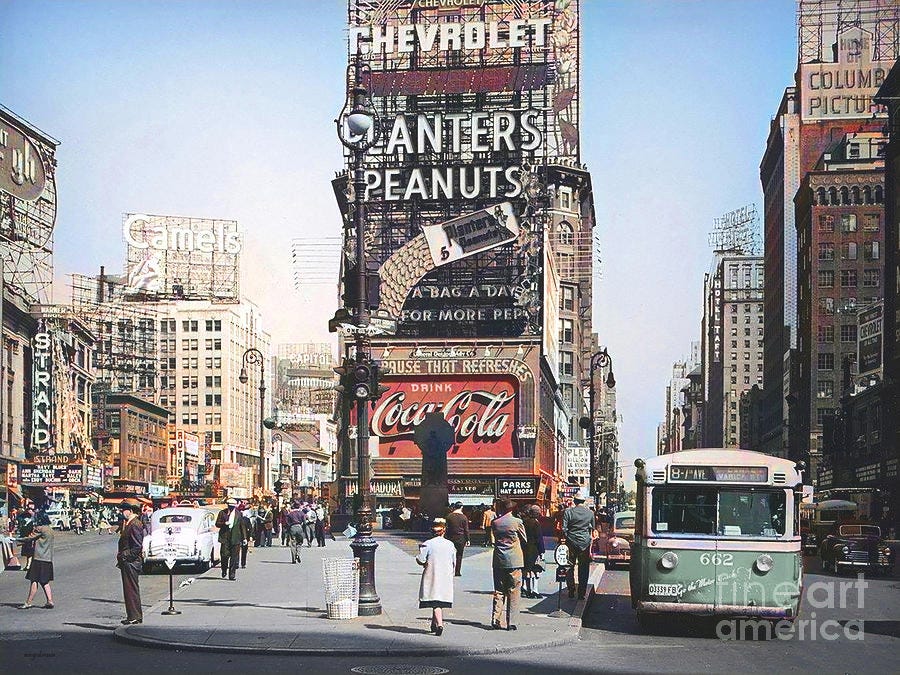
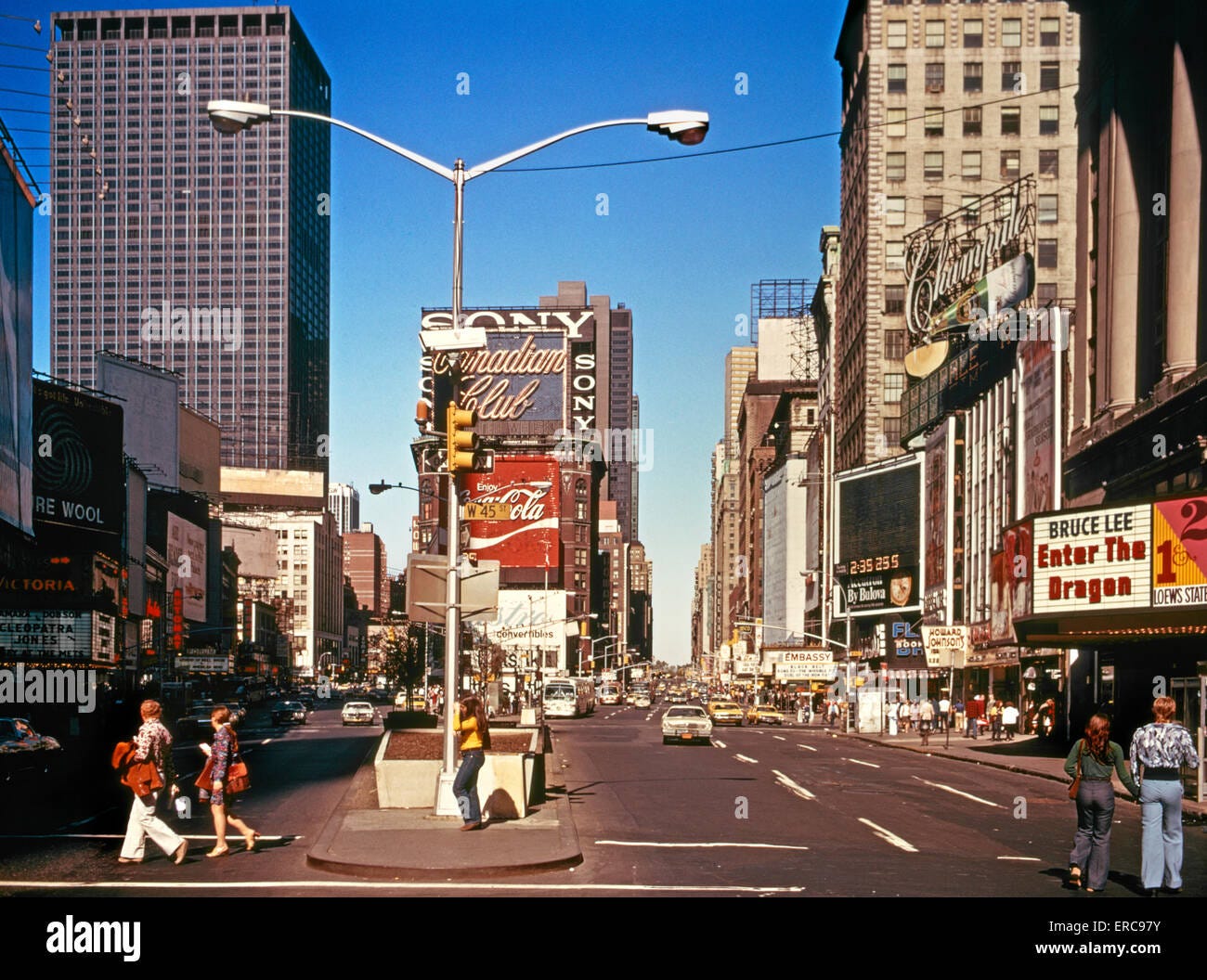
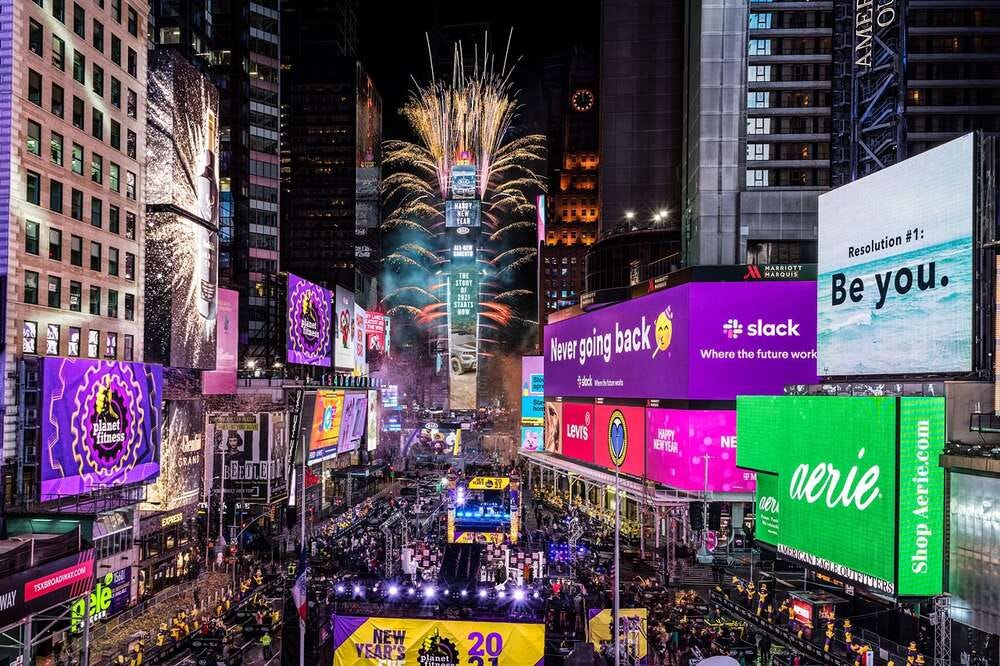
Kyla Scanlon, for my money the best in the game, put out ‘How individualism changed the economy’ a few months ago. Given that it’s hard to talk about what’s coming up in this post without sounding like you’ve just had your first dose of psilocybin, I’m going to follow Kyla’s lead. But before we start, just know that when we speak about better technology allowing you to better live the life you want for yourself, there’s a huge unanswered question hidden in there.
And when we build the hyper-personalised everything, where the life and media you experience depends on who you are, someone else is already helping you answer that question.
That question is: who are you anyway?
Scanlon notes the below as being who you are to the economy:
“The consumer is a centerpoint to the economy. Personal consumption expenditures contribute heavily to GDP, driving a significant portion of economic growth. People are important, and how they drive the economy forward is important.”
Hey, at least someone thinks you’re important. Anyway, how did that happen? Consumers being centerpoint to the economy feels Econ 101, but the share of growth attributed to individual exploits has not always been that way. The story in full is the point of How Individualism Changed the Economy, but here’s my attempt at summarising it:
Initially, advertising focused on practicality and needs. But during the 20th century, people realised that more individualist people’s needs for self expression could be met in the marketplace. Industry leaders shifted to a desire-driven model. Post-World War II, this influenced marketing strategies, and the 1960’s saw a shift towards individuality and self-expression, leading to more personalised marketing. By the 1980’s and 1990’s, this evolved into a culture of individualism and personal satisfaction.
This quote from the post encapsulates it:
“Advertising was about to massively change. People were still buying mostly for need rather than for want. Everything was advertised in the form of practicality. There was no marketing like ‘this is going to describe you, this is going to complete you as a person’ it was much more like ‘this is a durable shoe that will get you through your work day.’
Paul Mazer of Lehman Brothers was all about changing that. He wrote - ‘We must shift America from a needs to a desires culture. People must be trained to desire, to want new things even before the old had been entirely consumed. We must shape a new mentality in America. Man's desires must overshadow his needs.’”
The point of the previous post was that technology enables individualism, and that for artificial intelligence, the net for what can be individualised gets cast much, much wider than previous technology.
But the tricky thing that gets left out of these conversations, is that when we say we want our experiences with new technology to revolve around our personal preferences, where exactly is it we’re getting these preferences from? For now let’s agree that saying they are self-generated feels optimistic.
Like any marketing undergrad knows, spending isn’t about validating who you actually are. It is far more likely to reflect who we want to be seen as. Sometimes physically becoming that person is hard, so consuming is your best route. Mythical Tumblr blogger Hotel Concierge maps the journey from individualism to consumerism nicely:
“Just as freedom from routine can be spent on new experiences it can be spent on new ways to express them. Most purchases this side of a bodega are autobiographical product placement, from name-brand Tylenol to the SkyMall catalogs of the 1%.”
What’s the name for this situation? This state of constant auto-biography?
It actually got a name in 1979, through Christopher Lasch's "The Culture of Narcissism". Lasch posited that contemporary American culture is characterised by a preoccupation with self and personal fulfilment, reflecting a collective narcissistic personality. This societal shift, he argued, is driven by consumer capitalism, media saturation, and the increase in individualism.
Ok, that seemed a bit repetitive, but the next bit is the key addition.
Narcissists, by this definition, are not what you see in the media. They don’t necessarily dominate every conversation, brag about all their achievements or have the flashiest dress sense. All they have is a preoccupation with self-identity. They have a low-key main character syndrome, and the goal is to confirm that everyone else can see them as they want to be seen. They can still be a fun addition to the group chat.
The strange thing that happens though, is that once you enter this situation, and an entire population becomes this way inclined, it’s really hard to get out of. Go back to the start of this post and you’ll see: our systems actually sort of depend on that being that case now.
Now there’s something behavioural scientists ought to care about. Biases and heuristics are all well and good as lenses for some decisions and judgements, but identity makes the world go round. Just look at the economy, where consumer spending takes up 60% of UK GDP. Yes, some of that is needs, but a lot of it is wants. So as a system you better consistently deliver the things those main characters want. Digital native again:
“If the 20th Century was about mass consumption, the 21st Century is about “bespoke consumption.” We have more production than ever—the internet and AI both continue to make it easier than ever to produce—but that production is composed of more tailored, customized products designed for individuals, rather than for the masses.”
The tricky scenario is that while it’s true these tools make it easier than ever to produce, the system has been designed to raise the younger generations to be consumers, not producers. And systems are built to protect themselves from being replaced by something else.
But just because you fund the machine doesn’t mean you have to feel like a cog within it.
In fact, in the age of self-storytelling, it is literally the opposite. A quick culture check-in:
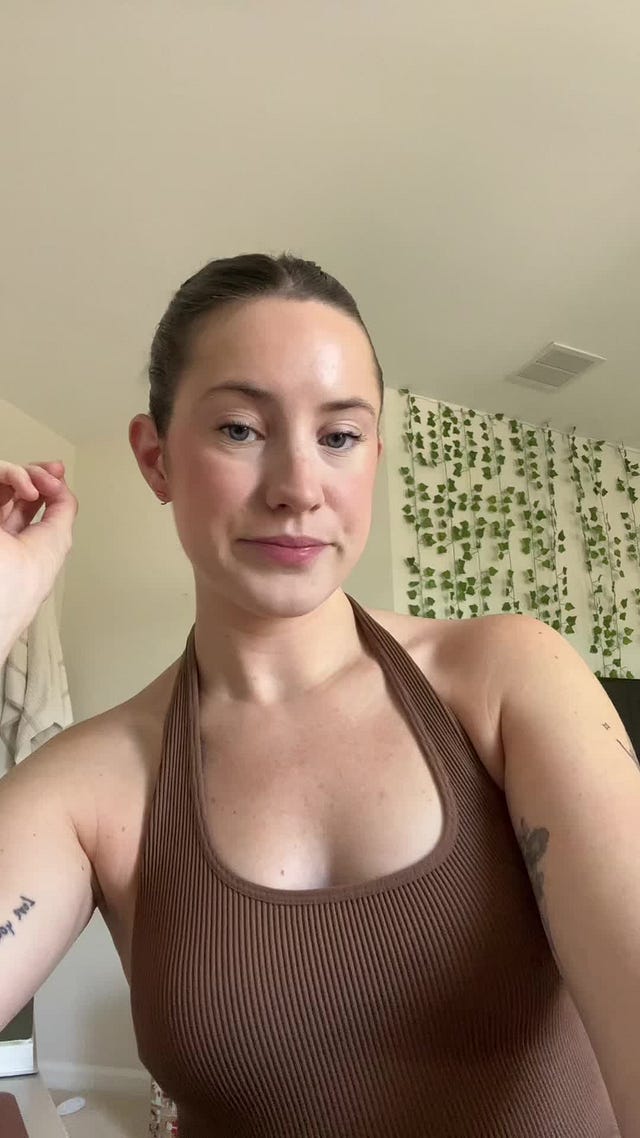
I can’t help but think that when people theorise about the What About Me effect, or main character energy, they are just saying the same thing as Lasch was. As Sarah, above, explains: individuals online seem to think everything is made for them. And thus, everything they consume carries the side purpose of validating their identity back to them.
We can agree that this isn’t news to anyone, but I think sometimes people wilfully miss how it is society could reinforce this in the first place.
Here’s the thing: how could they possibly not think everything they see is made for them? First of all, it actually will be soon enough. And secondly, they have been told for decades that they are the main character of their own adventure of life, and that others are side characters. They barely got a choice in the matter.
And in what movie or show do you ever see side characters discussing something, without it at least being about the main characters? Everyday cultural narcissists cannot conceive that anyone has experiences or ideas that aren’t directed at them, because in their world, that would be impossible. It’s wouldn’t be related to the plot.
But now for the other kicker that the What About Me/Main Character Energy think-pieces often suppress. Who benefits from people having this main character energy? The teens don’t seem too, we’ve all seen the graphs.
The beneficiaries are the platforms that are funded by that engagement. And you can’t blame the platform for acting in its own interest. That’s like getting angry at the economy for allowing consumer spending fuel GDP growth.
The reason everyone thinks everything in their feeds is related to them directly is because the platforms literally tell you that this is the case. And I mean literally. Remember what fyp stands for?
Going back to the economy, they know the best way to hook you is to provide a service that reaffirms the autobiography you are writing on the fly. And therefore there’s a reason why Twitter and TikTok make ‘For You’ the default. It works for both sides of the screen.
And now thanks to AI, the rest of media can follow their lead.
In a previous post, I tried to outline that a lot of biased reasoning comes about because our main psychological problem is that no one tells us who we are, and that no one really knows what’s going on. What I am adding here is that the 20th century is when the preservation of self went from just being about the feeling of certainty to also being the driving force that made the economy, and thus culture, go round.
People need stuff to believe in, in order to act at all. But existence is inherently uncertain, you aren’t told who you are and what your purpose is. That’s on you to define. So you better go and get those answers from somewhere. And where does the system lead you in that search?
42% of the world go the polls in 2024, so it’s a big year for the planet. But it’s notable it’s happening in the year where we have never been afraid of technological interference. When I can get Trump to say anything I want and put it out online in 5 minutes, how do I know everyone else isn’t playing the same game? I’m not saying people won’t be able to tell most of the time, but the damage to public discourse, and the amount of information we need to agree on to even have a starting point, is already meaningful.
For the purposes of this series, the real question actually is: when you can no longer be sure what you can believe is happening in the world outside of yourself, what is the one thing left you can believe in? It’s an important question, when we consider what believing in nothing is associated with.
If the other ways you source certainty get depleted by the blending of reality and digital, and there’s a lack of reassurance that what you’re seeing is an accurate representation of the environment anymore, your self-conception is pretty much all you have left.
And you’re not the only one winning from that scenario.
Back to the photos at the beginning of this section. That’s Times Square in 1920, 1970 and 2023. What do you think the change is? The brighter lights? The higher marketing budgets?
Yes to both, but the important change is what funded those things.
And the answer to that is in the last photo, gazing at you from the middle right.